
ES-HVRAS-16504 XM
5 MP 16 CH IP/ 4 CH ANALOG 5 IN 1 HYBRID VIDEO RECORDER
- 4 Ch. Hybrid 5-in-1 Supported AHD / TVI / CVI / CVBS and IP video formats.
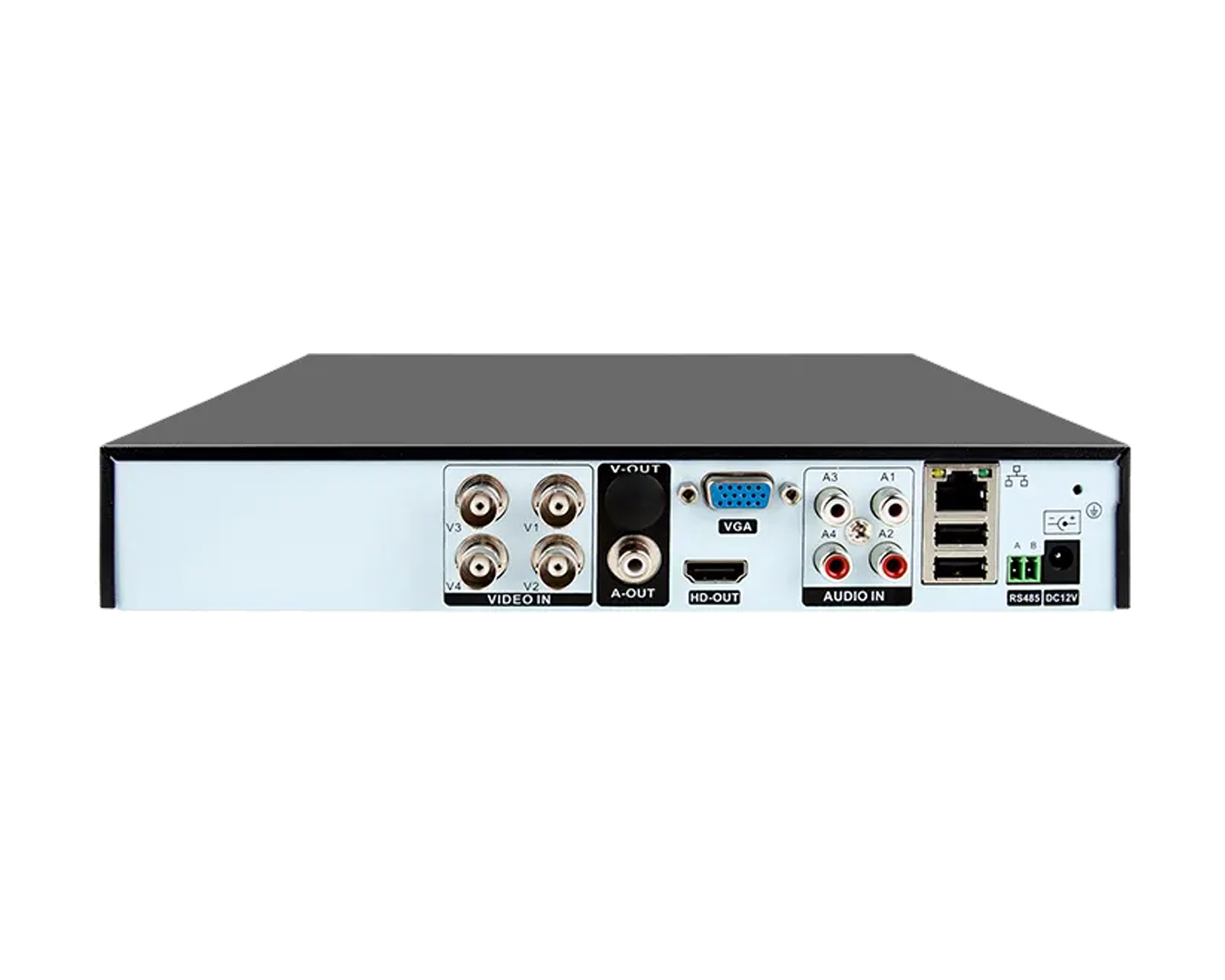
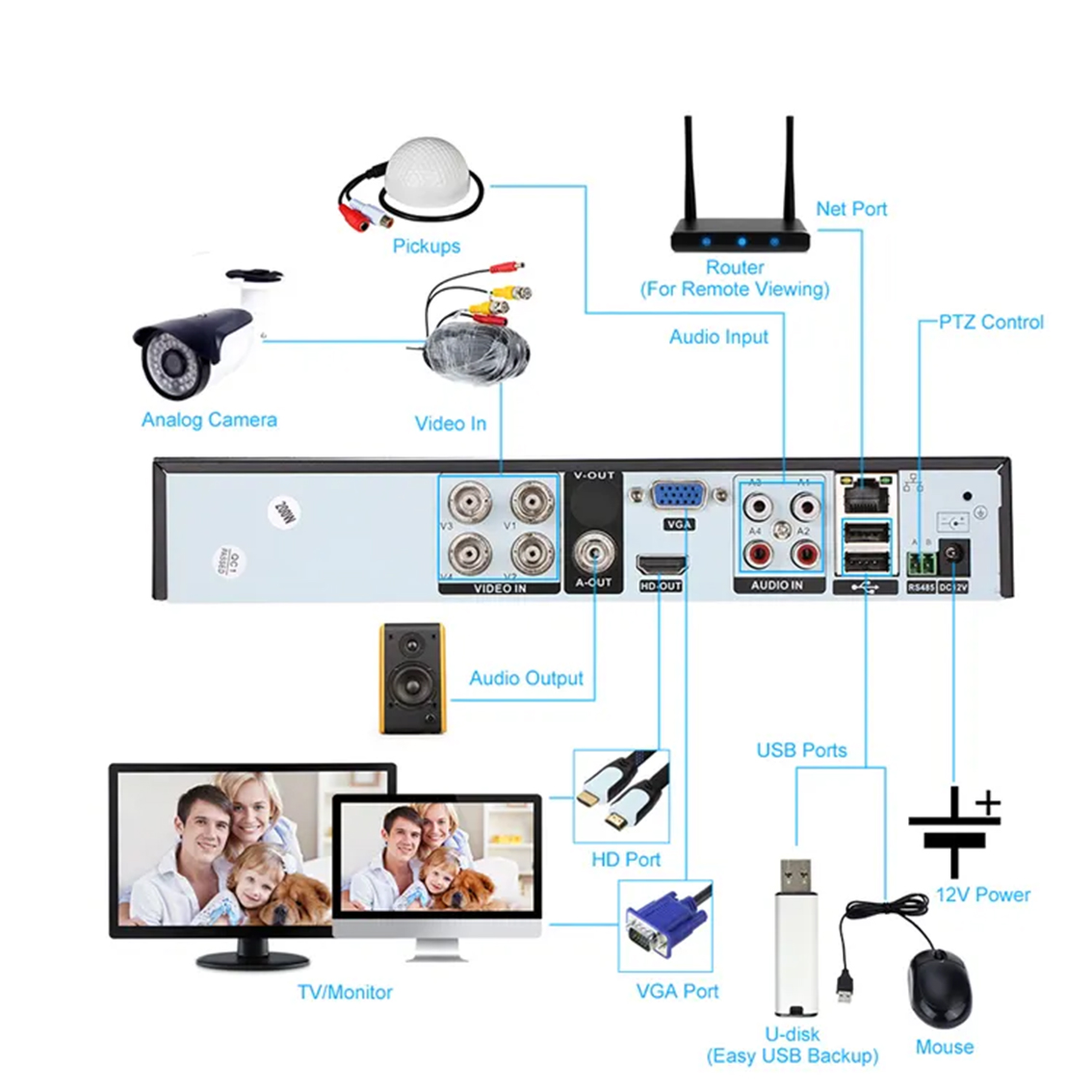
- Supports VGA, HDMI, & HD output simultaneously, 4 Ch. Audio in / 1 Ch. Audio out.
- Support up to 16 Ch. IP camera inputs and each channel supports up to 5 MP.
- .Support H.265+ encoding, ultra-low bitrates, compatible with H.264 surroundings.
- Support multiple cloud technology, network penetration, alarm information pushed to your phone and other functions.
- Support HDoC cables contain video, audio and data transmit through one single coaxial.
- Power Input: 12 Vdc / 3A
Product Discription
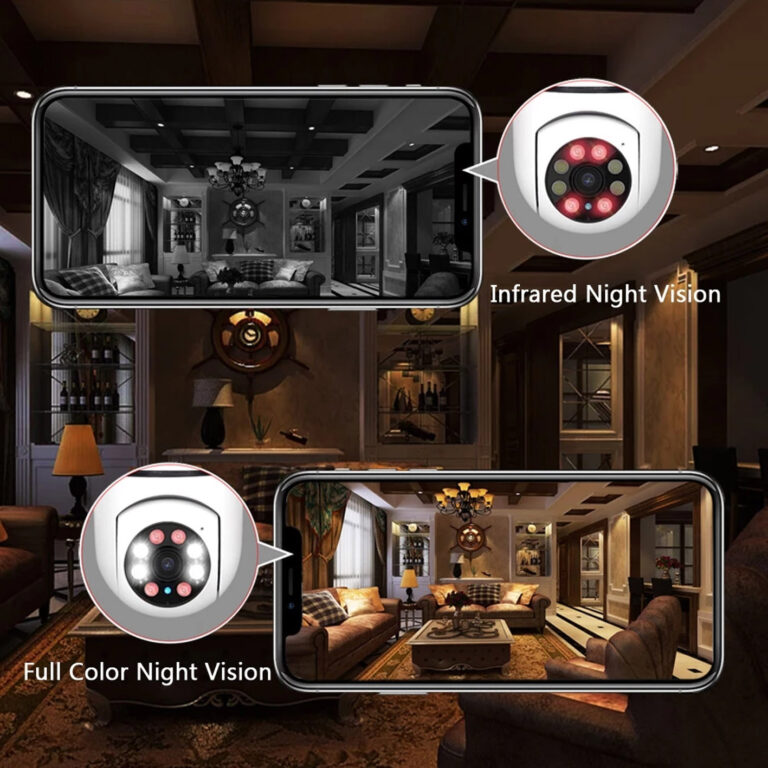
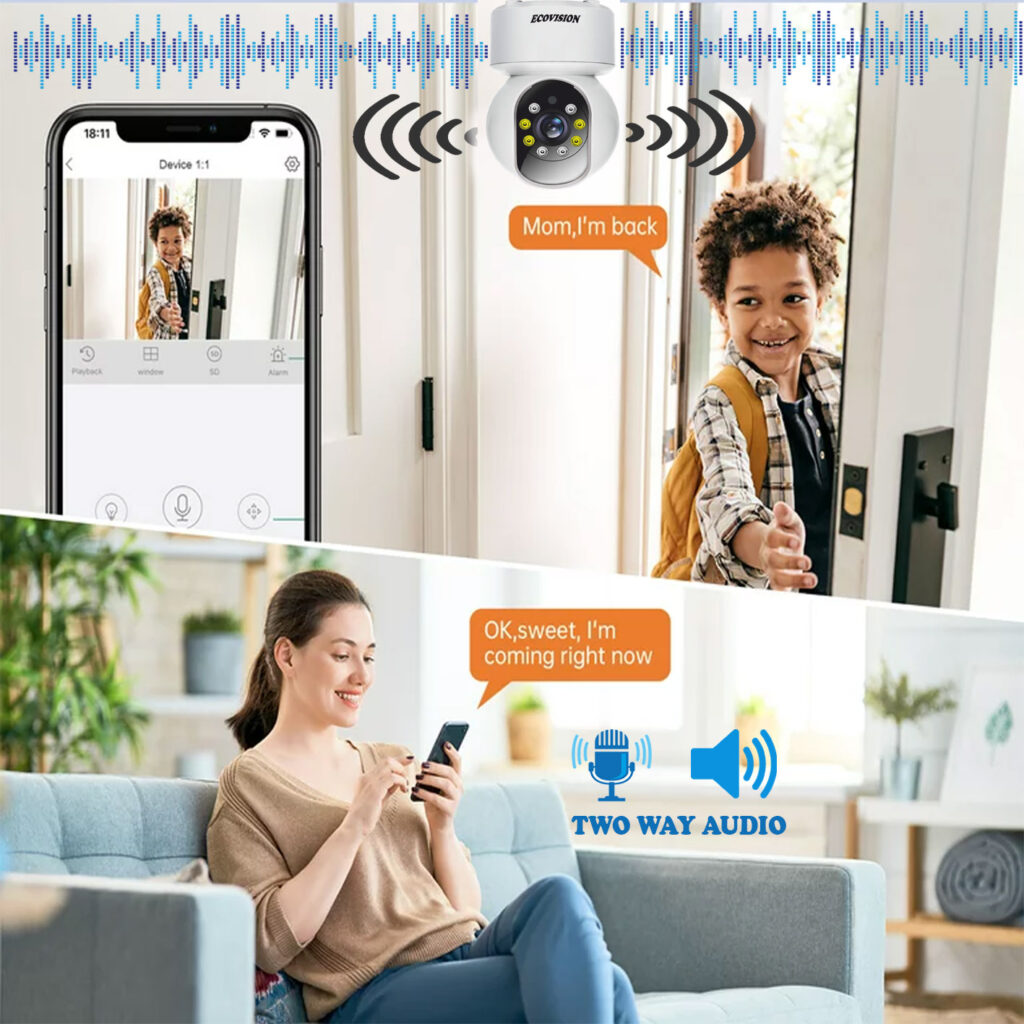
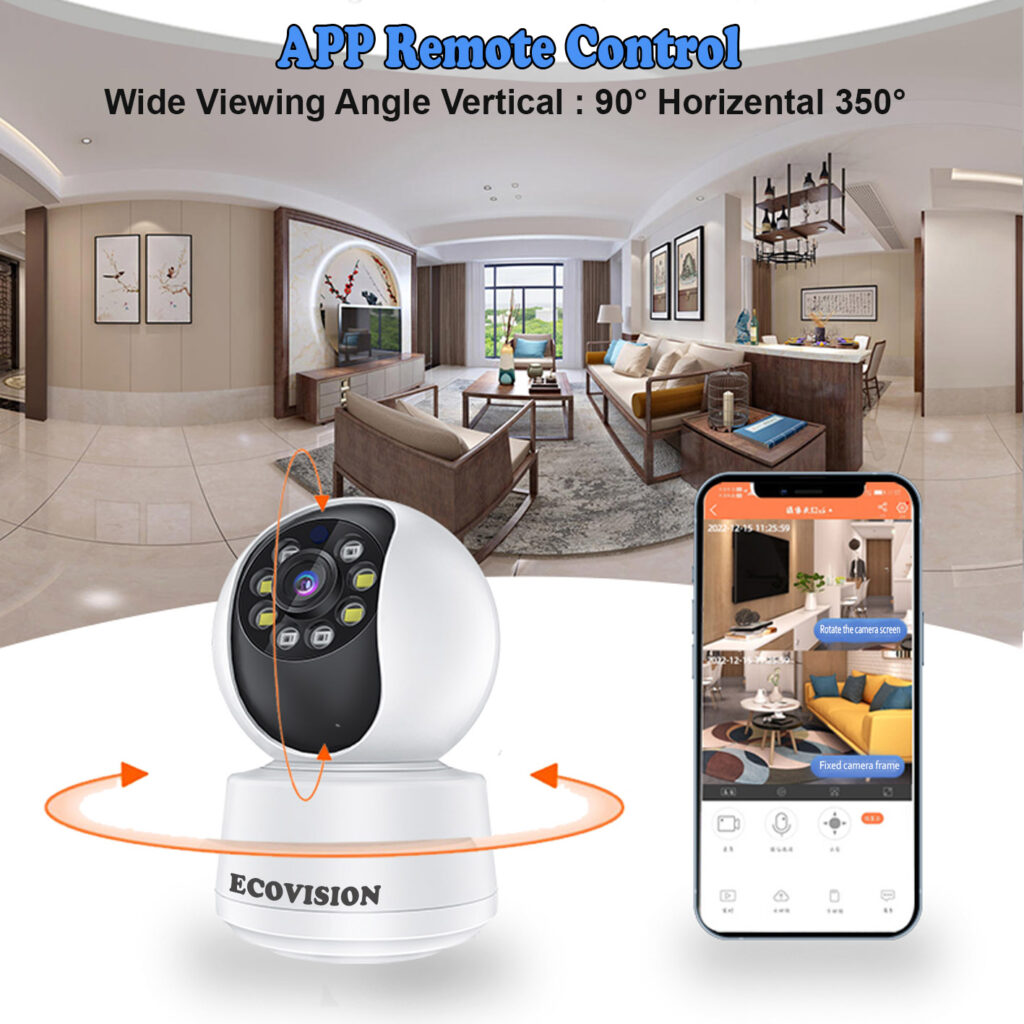
Wireless Wi-Fi and 4G security cameras are two popular types of wireless security cameras that offer different connectivity options for surveillance and monitoring. Wireless Wi-Fi security cameras offer convenience with easy installation and remote access through local Wi-Fi networks, making them an excellent choice for home security and indoor applications. On the other hand, 4G security cameras provide unmatched flexibility by connecting to cellular networks, making them suitable for remote or off-grid locations where Wi-Fi may not be available. They offer the advantage of remote access via the cellular network, allowing users to monitor their property from anywhere, but they may require a cellular data plan. Choosing between these options depends on the specific surveillance needs and network availability of the installation location, with Wi-Fi cameras excelling in standard setups, and 4G cameras catering to more challenging environments or areas with limited internet access.
Our Services

Suitable Subheading
Suitable Subheading

Artificial Intelligence (AI) features
Integrating artificial intelligence (AI) features into a digital video recorder (DVR) can enhance its functionality, security, and user experience. Here are several AI features that can be incorporated into a DVR. AI algorithms can analyze video footage and automatically identify specific objects, people, or events. This enables users to perform quick and accurate searches for specific incidents or individuals within recorded footage. Facial recognition technology can be employed to identify and catalog individuals appearing in video recordings. This can be useful for access control, security monitoring, or tracking specific people within a given timeframe.
Based on predefined criteria, AI can trigger automated actions such as turning on specific cameras, activating alarms, or sending notifications to security personnel. This helps in responding promptly to potential security incidents. AI-powered DVRs can integrate with other smart home or business automation systems. These features enhance security, streamline video analysis, and provide users with advanced functionalities for efficient surveillance.
Hybrid 5-in-1 Supported
Ecovision Hybrid “5-in-1” HVR is a multifunctional digital video recorder that provides versatility in surveillance camera compatibility. This designation signifies its ability to support five different types of video input technologies. The key features of a “5-in-1” DVR include compatibility with Analog High Definition (AHD) cameras, High Definition Composite Video Interface (HDCVI) cameras, High Definition Transport Video Interface (HDTVI) cameras, Internet Protocol (IP) cameras, and Composite Video Blanking and Sync (CVBS) cameras.
The 5-in-1 DVR’s adaptability offers users the advantage of mixing and matching different camera technologies. This not only facilitates the gradual transition from analog to digital surveillance but also allows for a diverse selection of cameras based on specific monitoring needs. Whether upgrading an existing system or establishing a new one, the 5-in-1 DVR provides a comprehensive and flexible solution for effective video surveillance

Support H.265+ Coding
Supporting the H.265+ feature in a DVR (Digital Video Recorder) is advantageous for efficient video compression, storage, and transmission. H.265+, also known as High Efficiency Video Coding (HEVC), is an advanced video compression standard that offers improved compression efficiency compared to its predecessor, H.264. H.265+ provides better compression efficiency, meaning it can reduce the file size of video recordings without compromising on image quality. With improved compression, H.265+ allows DVRs to store more video data on the same amount of storage space. H.265+ can transmit high-quality video streams with lower bit rates, making it suitable for applications where efficient video transmission over networks, including the internet, is essential.
H.265+ is designed to be backward compatible with H.265 and H.264, allowing for interoperability with devices that support these earlier compression standards. This ensures flexibility and ease of integration with existing surveillance systems. Selecting a DVR with H.265+ support is a strategic choice for optimizing the performance and cost-effectiveness of a video surveillance system. This technology is especially beneficial for users seeking efficient video compression, reduced storage requirements, and improved bandwidth utilization in their DVR setups.
HD over Coax (HDoC)
This is a method of transporting high-definition video over traditional analog coax cables, HD-over-Coax cables contain video, audio and data, transmitting them simultaneously over a single coax cable that makes installation and repair far easier. They are also capable of two-way data transmission, and since they are analog, signals are uncompressed and free from crosstalk and signal interference. This means that one single cable can control camera functions, such as pan-tilt-zoom, even on an analog system, and cuts down drastically on how much wiring needs to be installed.
This method contains video, audio and data, transmitting them simultaneously over a single coax cable that makes installation and repair far easier. HD-over-Coax is also capable of two-way data transmission, and since they are analog, signals are uncompressed and free from crosstalk and signal interference. This means that one single cable can control camera functions, such as pan-tilt-zoom, even on an analog system, and cuts down drastically on how much wiring needs to be installed.

Face detection
Face detection is a common and valuable feature in digital video recorders (DVRs) used for video surveillance. Face detection technology enables DVRs to identify and track human faces within the camera’s field of view. When a DVR equipped with face detection identifies a face, it can trigger alerts or notifications. Users can receive real-time notifications about recognized faces, which is valuable in security scenarios. Face detection facilitates quick and efficient search and retrieval of video footage. Users can easily locate specific events or individuals by searching for faces within recorded video, streamlining the investigative process.Faces detected in video footage can be automatically tagged with metadata, providing additional information about the individuals.
Implementing face detection in a DVR enhances the overall security and surveillance capabilities, offering advanced tools for identifying and managing individuals within the monitored environment. It’s essential to consider the specific requirements and privacy considerations when utilizing face detection features in a DVR system.
Cloud Technology
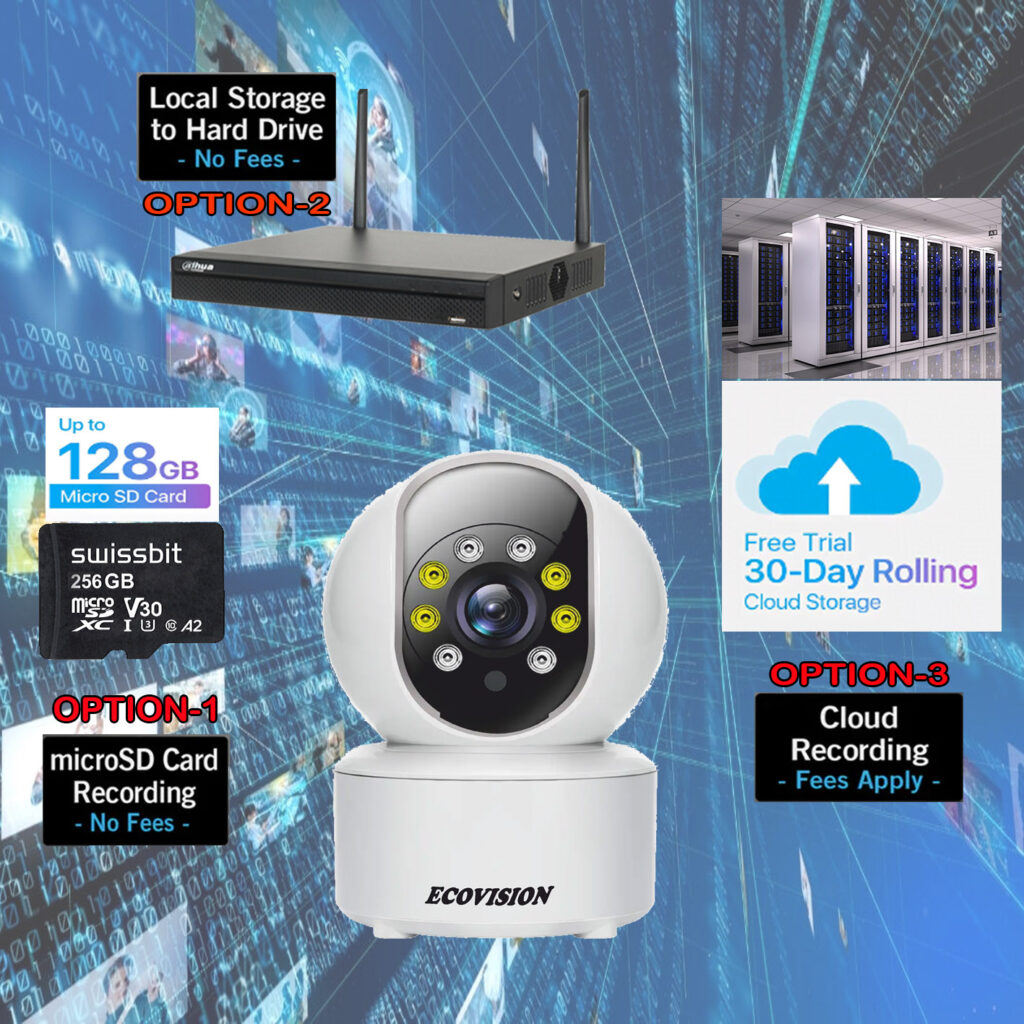
Cloud technology in the context of DVRs (Digital Video Recorders) refers to the integration of cloud computing services to enhance the functionality, accessibility, and scalability of video surveillance systems. Cloud-enabled DVRs allow users to remotely access and monitor their surveillance systems from anywhere with an internet connection. This is achieved through web-based interfaces or mobile applications. DVRs can be configured to send email alerts based on specific events such as motion detection, tampering, or alarm triggers. Users can receive push notifications on their smartphones or tablets when specific events occur. DVRs can integrate with external alarm systems, and when an alarm is triggered, notifications are sent via email or push alerts to notify users of potential security breaches.
Implementing email and notification push features in a DVR system enhances situational awareness, improves response times, and allows users to stay informed about critical events. Users should configure these features based on their specific monitoring needs and preferences, ensuring a timely and effective response to security incidents.
Specification
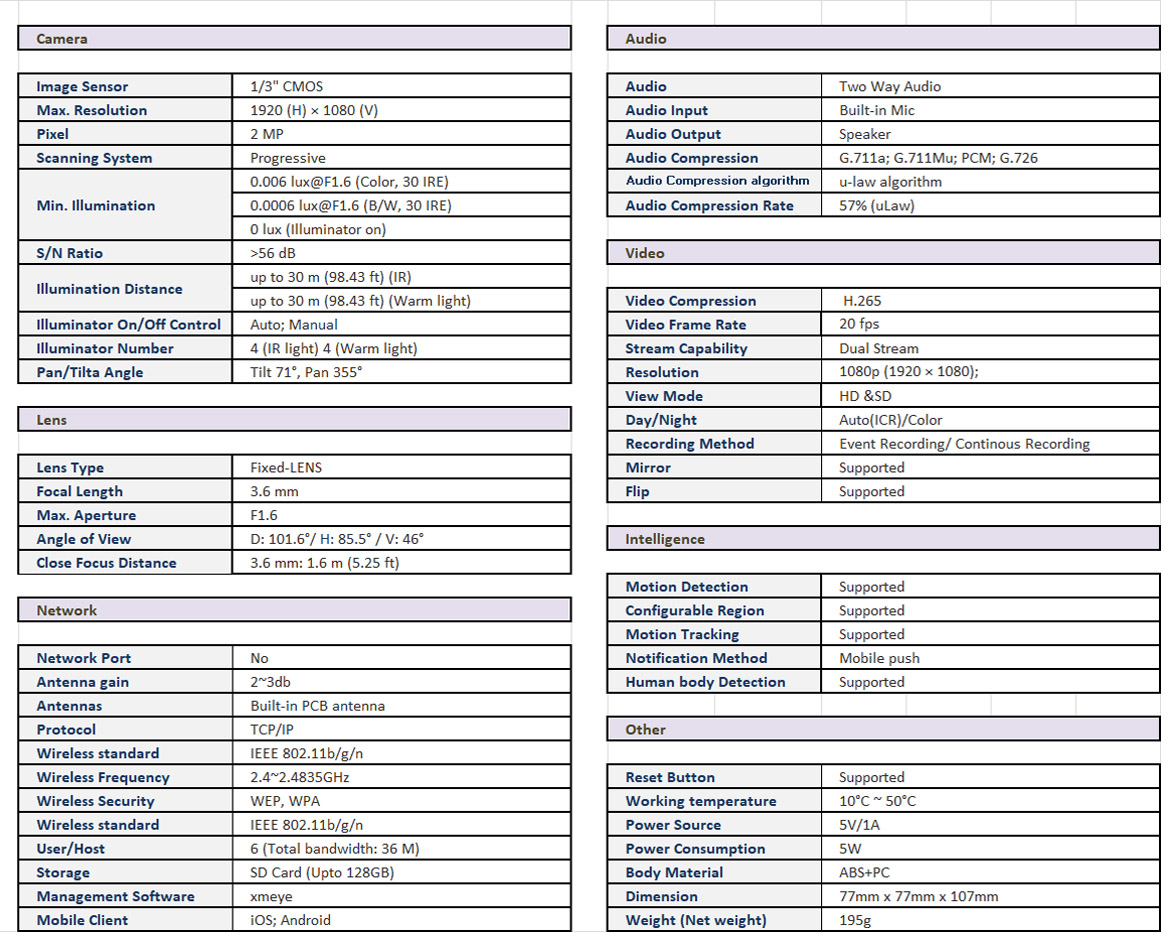
All rights reserved. Design and specifications are subject to change without notice. Pictures in the document are for reference only, and the actual product shall prevail.